The Popularity Trends of Personalized Custom Packaging Boxes

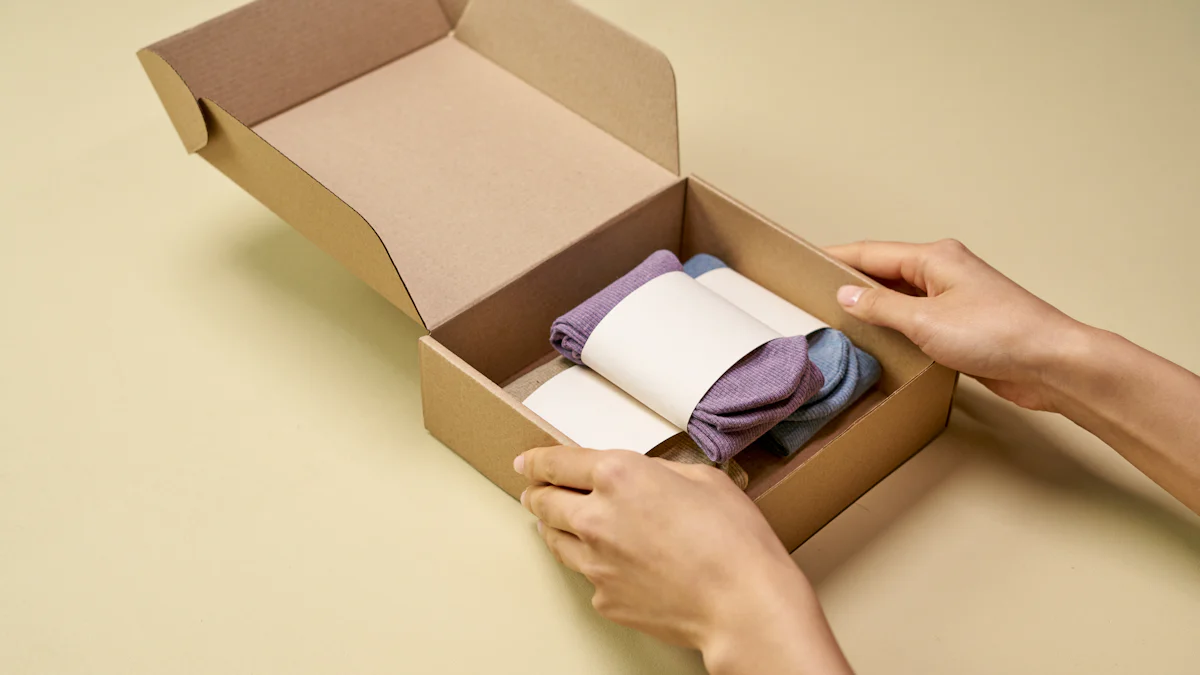
The Popularity Trends of Personalized Custom Packaging Boxes continues to shape the packaging industry. Personalized custom packaging boxes offer unique branding opportunities. Businesses must stay updated with packaging trends to maintain competitiveness. Packaging trends influence consumer engagement and brand perception. Customization enhances the customer experience by creating memorable interactions. Brands leverage personalized packaging to differentiate products in crowded markets. The impact of personalized packaging on consumer behavior is significant. Companies use packaging as a strategic tool to build brand loyalty. Understanding these trends is crucial for businesses aiming to thrive in the modern market.
The Rise of Personalization in Packaging
Understanding Consumer Preferences
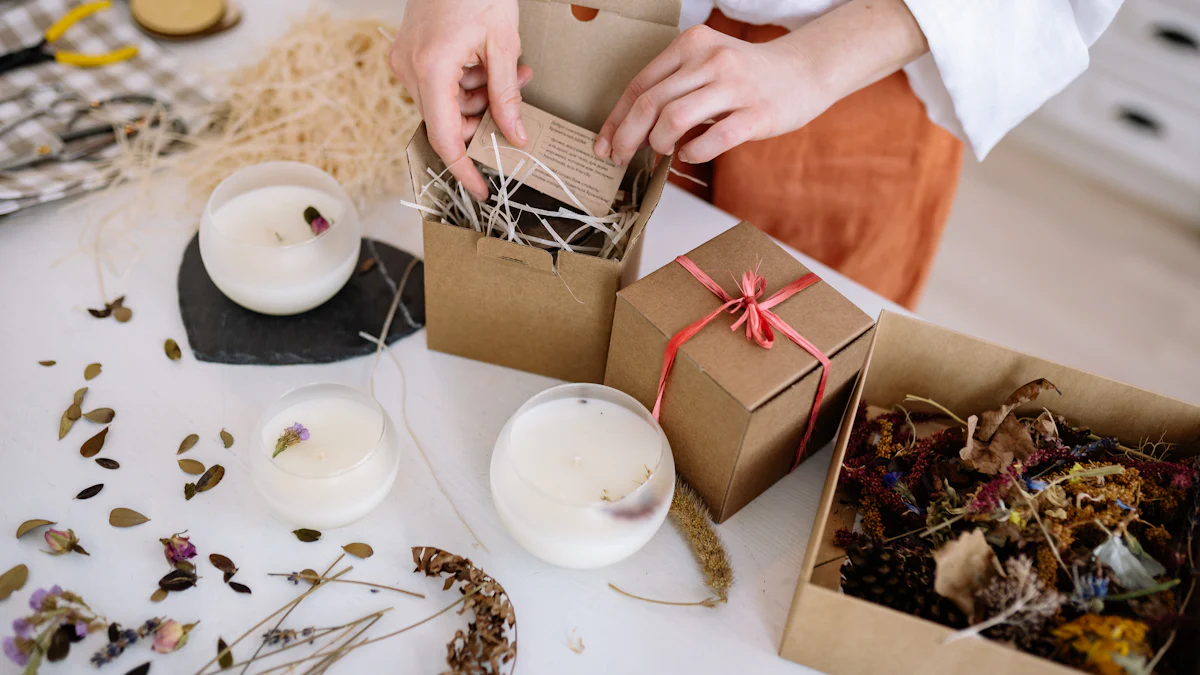
The demand for unique and tailored experiences drives the popularity of personalized packaging. Consumers seek products that reflect individual tastes and preferences. Personalized packaging meets this demand by offering customized solutions. Brands that provide these experiences often see increased customer satisfaction.
Personalization enhances brand loyalty significantly. Customers feel valued when brands cater to individual needs. This connection fosters a sense of belonging and trust. Loyal customers often become brand advocates, promoting products through word-of-mouth. Personalized packaging plays a crucial role in building these relationships.
Techniques for Personalizing Packaging
Custom printing and design options offer endless possibilities for personalization. Brands can incorporate logos, colors, and patterns that align with brand identity. Advanced printing technology allows for intricate designs and high-quality finishes. These elements create visually appealing packaging that stands out on shelves.
Incorporating customer feedback and data further refines personalization efforts. Brands gather insights through surveys, social media, and purchase history. This information helps tailor packaging to meet specific consumer expectations. Data-driven personalization ensures relevance and enhances the overall customer experience.
Sustainability as a Key Trend

Eco-friendly Materials and Practices
The shift towards biodegradable and recyclable materials
The packaging industry witnesses a significant shift towards biodegradable and recyclable materials. Businesses recognize the environmental impact of traditional packaging. Companies now prioritize eco-friendly alternatives. Biodegradable materials break down naturally, reducing waste. Recyclable materials offer a sustainable solution by re-entering the production cycle. This shift aligns with global efforts to combat pollution.
Reducing carbon footprint through sustainable practices
Sustainable practices play a crucial role in reducing carbon footprints. Companies adopt energy-efficient manufacturing processes. Renewable energy sources power production facilities. Efficient logistics systems minimize transportation emissions. These practices contribute to a cleaner environment. Brands gain consumer trust by demonstrating environmental responsibility.
Consumer Demand for Green Packaging
The role of sustainability in purchasing decisions
Sustainability influences consumer purchasing decisions significantly. Shoppers prefer brands that prioritize environmental responsibility. Green packaging appeals to eco-conscious consumers. Sustainable products often enjoy a competitive edge in the market. Consumers associate green packaging with ethical business practices. This association enhances brand reputation and customer loyalty.
Case studies of brands adopting sustainable packaging
Several brands successfully adopt sustainable packaging solutions. A leading beverage company introduces plant-based bottles. A popular cosmetics brand switches to recycled containers. An electronics giant reduces plastic use in product packaging. These initiatives receive positive consumer feedback. Brands experience increased sales and improved public perception. Sustainable packaging proves beneficial for both businesses and the environment.
Minimalism and Aesthetic Appeal
The Power of Simplicity in Design
Minimalist packaging as a branding strategy
Minimalist packaging captivates consumers with its clean and uncluttered design. Brands utilize minimalism to convey sophistication and elegance. This approach often involves the use of simple shapes and limited color palettes. The focus remains on essential elements, allowing the product to speak for itself. Minimalism in packaging creates a strong visual impact, making it memorable to consumers.
Balancing aesthetics with functionality
Balancing aesthetics with functionality remains crucial in packaging design. Brands ensure that minimalist designs do not compromise usability. Packaging must protect the product while maintaining an appealing appearance. Functional elements such as easy-open features and resealable closures enhance user experience. Successful minimalist packaging achieves harmony between form and function.
Trends in Color and Typography
Popular color palettes and their psychological impact
Color choices in packaging influence consumer perception and behavior. Brands select color palettes that align with brand identity and evoke desired emotions. Soft pastels often convey calmness and serenity, while bold colors create excitement and energy. Understanding the psychological impact of colors helps brands connect with target audiences. Effective color use enhances brand recognition and appeal.
Typography trends that enhance brand identity
Typography plays a vital role in establishing brand identity through packaging. Brands choose fonts that reflect their personality and values. Sleek and modern fonts often suggest innovation and forward-thinking. Classic serif fonts convey tradition and reliability. Typography trends evolve, but the goal remains to create a cohesive and recognizable brand image. Thoughtful typography choices contribute to a strong brand presence in the market.
Technology Integration in Packaging
Smart Packaging Solutions
QR codes and augmented reality experiences
Smart packaging solutions revolutionize the way brands interact with consumers. QR codes on packaging provide instant access to product information. Consumers scan QR codes to learn about ingredients, usage instructions, and promotions. Augmented reality (AR) experiences offer immersive interactions. AR technology allows consumers to visualize products in real-world settings. Brands use AR to enhance storytelling and create memorable experiences.
Enhancing customer interaction through technology
Technology enhances customer interaction by providing personalized experiences. Interactive packaging engages consumers through digital content. Brands incorporate videos, games, and animations into packaging designs. Consumers enjoy interactive elements that add value to their purchase. Technology-driven packaging fosters a deeper connection between brands and consumers. Enhanced interaction leads to increased brand loyalty and satisfaction.
Innovations in Packaging Design
The use of AI and machine learning in design processes
Artificial intelligence (AI) and machine learning transform packaging design processes. AI analyzes consumer data to identify trends and preferences. Designers use AI-generated insights to create targeted packaging solutions. Machine learning algorithms optimize design elements for maximum impact. Automated design tools streamline the creative process, reducing time and costs. AI-driven design ensures packaging aligns with consumer expectations.
Future trends in packaging technology
Future trends in packaging technology focus on sustainability and efficiency. Smart materials adapt to environmental conditions, preserving product quality. Biodegradable sensors monitor freshness and alert consumers to expiration dates. Advanced printing techniques enable intricate designs with minimal waste. Packaging technology evolves to meet the demands of eco-conscious consumers. Brands that embrace these innovations gain a competitive edge in the market.
Personalized custom packaging trends continue to shape the industry. Key trends include personalization, sustainability, minimalism, and technology integration. Brands must adapt to these trends for success. Staying informed about future innovations ensures competitiveness. Businesses should embrace eco-friendly materials and smart packaging solutions. Understanding consumer preferences enhances brand loyalty. Companies that prioritize these aspects gain a competitive edge. The packaging landscape evolves rapidly, requiring constant vigilance. Adapting to these changes secures long-term brand growth.

See Also
Tips for Creating Unique Paper Box Packaging Designs
Choosing the Perfect Cosmetic Paper Box Packaging
Boosting Your Brand with Vibrant Box Packaging
Recognizing the Significance of Eco-Friendly Paper Packaging