Comprehensive Guide to Packaging Box Craft Knowledge

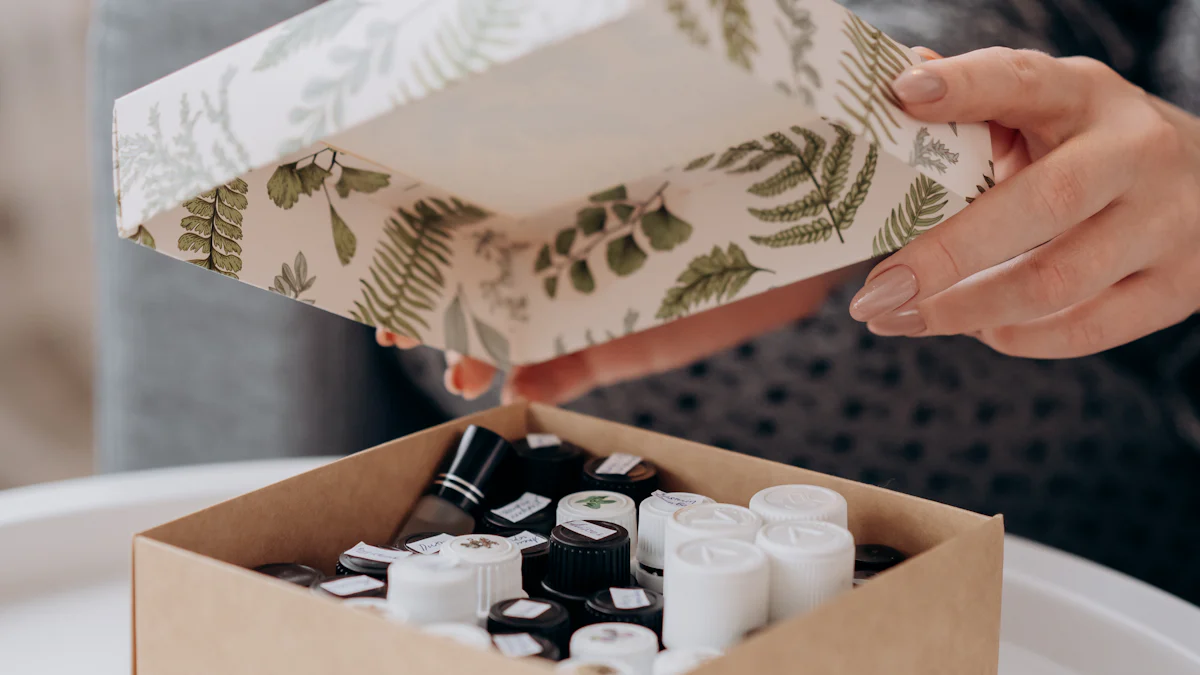
Packaging box craft represents a blend of functionality and creativity, shaping the way products are presented and perceived. The global packaging market is projected to grow significantly, reaching USD 1.38 trillion by 2029, highlighting its critical role across industries. Packaging serves as more than just protection; it enhances branding, attracts consumers, and creates memorable experiences. The rise of sustainable practices has further fueled interest in innovative solutions. Creative approaches, such as Packaging box technology knowledge, now emphasize eco-friendly materials and unique designs, transforming traditional packaging into a tool for differentiation and environmental responsibility.
Understanding the Basics of Packaging box technology knowledge
What is Packaging box technology knowledge?
Definition and Scope
Packaging box technology knowledge refers to the specialized knowledge and techniques involved in designing, crafting, and producing packaging boxes. This field encompasses a wide range of skills, including material selection, structural design, and aesthetic customization. Packaging box craft combines functionality with creativity to meet the diverse needs of industries such as retail, food, and e-commerce. The scope of extends from simple protective packaging to intricate designs that enhance product presentation and branding.
Historical Evolution of Packaging Boxes
The history of packaging boxes dates back to ancient times when natural materials like leaves and wooden barrels were used for storage and transportation. The development of paper packaging during the early centuries marked a significant milestone in the evolution of packaging. The invention of cardboard in the 19th century revolutionized the industry by introducing lightweight and versatile materials. The emergence of corrugated boxes in the late 1800s provided superior strength and protection, replacing traditional wooden crates. These advancements laid the foundation for modern packaging practices, which continue to evolve with innovative materials and techniques.
Importance of Packaging Boxes
Functional Role in Product Protection
Packaging boxes play a critical role in safeguarding products during storage and transportation. The structural integrity of packaging prevents damage caused by external factors such as moisture, pressure, and impact. Materials like corrugated cardboard offer durability and shock absorption, ensuring the safe delivery of goods. Properly designed packaging also extends the shelf life of perishable items, maintaining product quality and customer satisfaction.
Marketing and Branding Significance
Packaging serves as a powerful tool for marketing and branding. Visually appealing designs attract consumer attention and influence purchasing decisions. Customization options, including logos, colors, and patterns, help businesses establish a unique identity in competitive markets. Packaging boxes also communicate essential information about the product, enhancing transparency and trust. Effective packaging design creates a memorable unboxing experience, fostering brand loyalty and repeat purchases.
Types of Packaging Boxes
Material-Based Classification
Packaging boxes can be categorized based on the materials used in their construction. Common options include:
Cardboard: Lightweight and cost-effective, suitable for general-purpose packaging.
Plastic: Durable and water-resistant, ideal for long-term storage.
Metal: Provides superior strength and protection for high-value items.
Wood: Offers a rustic and eco-friendly option for premium packaging.
Each material offers unique benefits, allowing businesses to select the most appropriate option for their specific requirements.
Design-Based Classification
Design variations further classify packaging boxes into distinct types. Popular designs include:
Folding Cartons: Compact and easy to assemble, commonly used for retail packaging.
Rigid Boxes: Sturdy and luxurious, often used for high-end products.
Corrugated Boxes: Strong and durable, suitable for shipping and heavy-duty applications.
Tube Boxes: Cylindrical and versatile, frequently used for specialty items.
These design options provide flexibility in meeting functional and aesthetic goals, enhancing the overall value of packaging solutions.
Tools and Materials
Essential Tools
Cutting Tools (e.g., scissors, craft knives)
Cutting tools are fundamental for precise and clean cuts in packaging box crafting. Scissors with sharp blades ensure smooth edges when working with paper or thin cardboard. Craft knives provide greater accuracy for intricate designs and detailed cuts. A cutting mat enhances safety and prevents damage to work surfaces during the cutting process.
Measuring and Marking Tools
Measuring and marking tools guarantee accuracy in dimensions and alignment. Rulers with clear markings assist in creating straight lines and maintaining proportionality. Measuring tapes are ideal for larger projects requiring flexibility. Pencils or fine-tip markers allow for precise markings without smudging, ensuring a professional finish.
Commonly Used Materials
Paper and Cardboard
Paper and cardboard serve as the primary materials for most packaging box crafts. Cardboard offers durability and structural integrity, making it suitable for protective packaging. Specialty papers, such as kraft or textured varieties, add aesthetic appeal to the design. Lightweight paper is often used for decorative elements or inner linings.
Adhesives and Fasteners
Adhesives and fasteners play a crucial role in assembling and securing packaging boxes. Glue guns provide strong and quick bonding for cardboard pieces, ensuring sturdy joints. Double-sided tape offers a clean and seamless appearance for decorative applications. Staples or brads add additional reinforcement for heavy-duty packaging needs.
Advanced Tools and Materials
Die-Cutting Machines
Die-cutting machines streamline the crafting process by producing precise shapes and patterns. These machines are essential for creating uniform designs and intricate details. Manual die-cutters are suitable for small-scale projects, while electronic models handle complex and large-scale tasks efficiently.
Specialty Papers and Coatings
Specialty papers and coatings elevate the visual and tactile quality of packaging boxes. Metallic or embossed papers create a luxurious appearance for premium products. Laminations and coatings enhance durability by protecting surfaces from moisture and wear. Decorative materials, such as washi tape or fabric scraps, add unique textures and patterns to the final product.
Techniques and Methods in Packaging box technology knowledge
Basic Techniques
Folding and Scoring
Folding and scoring represent foundational techniques in 包装盒工艺知识. Folding transforms flat materials into three-dimensional structures, creating functional packaging forms. Scoring involves creating shallow creases on materials like cardboard or paper to ensure accurate and clean folds. Precision in scoring enhances the structural integrity of packaging boxes. Tools such as bone folders or scoring wheels improve efficiency and accuracy during the process.
Gluing and Assembling
Gluing and assembling are critical for constructing durable packaging boxes. Adhesives such as glue sticks, hot glue, or industrial-strength adhesives secure individual components. Proper application prevents misalignment and ensures stability. Assembling involves joining pre-cut and scored pieces into a cohesive structure. Step-by-step assembly methods streamline the process, reducing errors and enhancing productivity.
Advanced Techniques
Embossing and Debossing
Embossing and debossing add texture and depth to packaging designs. Embossing raises specific areas of the material, creating a three-dimensional effect. Debossing presses designs into the surface, forming recessed patterns. Both techniques enhance the tactile and visual appeal of packaging boxes. Industries often use embossing and debossing for branding elements like logos or product names. These methods require specialized equipment such as embossing machines or custom dies.
Lamination and Coating
Lamination and coating improve the durability and appearance of packaging boxes. Lamination applies a protective film over the surface, shielding it from moisture, scratches, and wear. Coating involves applying liquid finishes like UV varnish or aqueous coatings to enhance gloss or matte effects. Both techniques elevate the quality of Packaging box technology knowledge by combining functionality with aesthetics. Packaging for premium products frequently incorporates these advanced methods.
Customization and Personalization
Printing Techniques (e.g., digital, offset)
Printing techniques play a vital role in customization within Packaging box technology knowledge. Digital printing offers flexibility for small-scale projects and intricate designs. Offset printing delivers high-quality results for large-scale production. Both methods enable the inclusion of vibrant colors, detailed graphics, and branding elements. The choice of printing technique depends on factors such as budget, design complexity, and production volume.
Adding Decorative Elements
Decorative elements enhance the uniqueness of packaging boxes. Materials such as ribbons, washi tape, or metallic foils create visually appealing designs. Handcrafted details like calligraphy or stamping add a personal touch. Incorporating decorative elements aligns with the growing demand for aesthetic and customized packaging solutions. These additions elevate the overall value of by merging creativity with practicality.
Sustainability in Packaging box technology knowledge
Importance of Eco-Friendly Packaging
Environmental Impact of Traditional Packaging
Traditional packaging materials contribute significantly to environmental pollution. Non-biodegradable plastics and excessive packaging waste often end up in landfills or oceans. The production of conventional materials consumes large amounts of energy and natural resources. Harmful emissions during manufacturing processes further exacerbate environmental degradation. Addressing these challenges requires a shift toward sustainable alternatives.
Benefits of Sustainable Practices
Sustainable practices in packaging reduce the environmental footprint of products. Eco-friendly materials, such as biodegradable and recyclable options, minimize waste accumulation. Optimized packaging designs lower material usage and transportation weight, conserving resources. Businesses adopting sustainable methods enhance their brand image and attract environmentally conscious consumers. These practices also align with global efforts to combat climate change and promote responsible consumption.
Sustainable Materials and Alternatives
Recycled and Biodegradable Materials
Recycled materials offer a practical solution for reducing waste in packaging. Cardboard and paper derived from recycled sources maintain durability while supporting sustainability goals. Biodegradable materials, including plant-based plastics and compostable papers, decompose naturally without harming ecosystems. These materials meet consumer demand for eco-friendly products and contribute to a circular economy.
Minimalist Packaging Designs
Minimalist packaging designs focus on functionality and simplicity. Reducing unnecessary layers and embellishments lowers material consumption. Compact designs optimize storage and transportation, reducing carbon emissions. Minimalist approaches also appeal to consumers seeking clean and modern aesthetics. This strategy balances environmental responsibility with visual appeal.
Tips for Creating Sustainable Packaging
Reducing Waste in the Crafting Process
Efficient crafting processes minimize material waste during packaging production. Accurate measurements and cutting techniques prevent excess scraps. Reusing leftover materials, such as paper or cardboard, maximizes resource utilization. Incorporating digital tools for design and prototyping reduces trial-and-error waste. These steps ensure a more sustainable approach to packaging box crafting.
Incorporating Reusable Elements
Reusable elements in packaging extend product life cycles and reduce disposal rates. Durable materials, such as metal or wood, allow packaging to serve secondary purposes. Designs featuring detachable or modular components encourage repurposing by consumers. Including instructions for reuse fosters environmental awareness and engagement. Reusable packaging solutions align with the growing emphasis on sustainability in modern industries.
Practical Applications and Trends in Packaging box technology knowledge
Industries Utilizing Packaging Box Craft
Retail and E-commerce
Retail and e-commerce industries rely heavily on to enhance product presentation and customer experience. Packaging boxes in retail settings often feature vibrant colors, intricate patterns, and brand-specific designs. These elements attract attention on store shelves and influence purchasing decisions. E-commerce businesses prioritize durable and visually appealing packaging to ensure safe delivery while creating a memorable unboxing experience. Custom stickers, branded inserts, and protective layers elevate the perceived value of products. Packaging design in these industries also incorporates structural integrity to withstand shipping challenges.
Food and Beverage
The food and beverage sector integrates to maintain product quality and appeal to consumers. Packaging boxes for food items focus on functionality, ensuring freshness and protection from external factors. Materials such as food-grade cardboard and biodegradable coatings meet safety standards while supporting sustainability goals. Beverage packaging often includes innovative designs, such as tube boxes or rigid cartons, to enhance convenience and branding. Aesthetic elements like embossing and custom printing communicate product quality and attract environmentally conscious consumers.
Emerging Trends in Packaging Design
Smart Packaging Solutions
Smart packaging solutions represent a growing trend within These designs incorporate technology to improve functionality and user engagement. QR codes on packaging provide access to product information, recipes, or promotional content. Temperature-sensitive materials indicate freshness or storage conditions for perishable goods. Interactive elements, such as augmented reality features, create immersive experiences for customers. Smart packaging enhances brand interaction and aligns with the increasing demand for tech-driven solutions.
Minimalist and Aesthetic Designs
Minimalist and aesthetic designs have gained popularity in modern packaging trends. Simple layouts and clean lines emphasize functionality and elegance. Neutral color palettes and subtle textures create a sophisticated appearance that appeals to diverse audiences. Minimalist designs reduce material usage, supporting eco-friendly practices within. Businesses adopt this approach to convey professionalism and align with consumer preferences for sustainable and visually pleasing packaging.
DIY Packaging Box Craft
Benefits of DIY Approaches
DIY packaging box craft offers significant benefits for businesses and individuals. Customization and personalization options allow brands to stand out in competitive markets. Handcrafted details, such as calligraphy or unique patterns, add a personal touch to packaging. DIY methods reduce production costs while maintaining high-quality designs. Small businesses and artisans use DIY techniques to build strong brand identities and create memorable customer experiences. Incorporating into DIY projects fosters creativity and innovation.
Step-by-Step Guide for Beginners
Beginners can explore DIY packaging box craft by following simple steps:
Material Selection: Choose materials such as cardboard, specialty papers, or recycled options based on project requirements.
Design Planning: Sketch the desired layout and dimensions for the packaging box.
Cutting and Scoring: Use cutting tools and scoring techniques to prepare the materials for assembly.
Assembling: Apply adhesives or fasteners to join the components securely.
Customization: Add decorative elements like ribbons, washi tape, or printed designs to enhance visual appeal.
DIY approaches empower individuals to experiment wit while creating unique and functional packaging solutions.
Mastering unlocks endless possibilities for innovation and functionality in packaging design. Exploring various techniques fosters creativity and enhances craftsmanship. Sustainable practices within contribute to environmental preservation while meeting modern consumer demands. The field offers opportunities to merge artistry with practicality, creating impactful packaging solutions. Sharing personal creations or ideas inspires others to embrace and its transformative potential. The journey into empowers individuals to craft packaging that reflects care, thoughtfulness, and sustainability.
See Also
A Comprehensive Overview of Product Packaging Essentials
Choosing the Perfect Paper Box for Cosmetics
Tips to Enhance Your Paper Box Packaging Appeal