Eco-Friendly Packaging for Soap: A Complete Guide

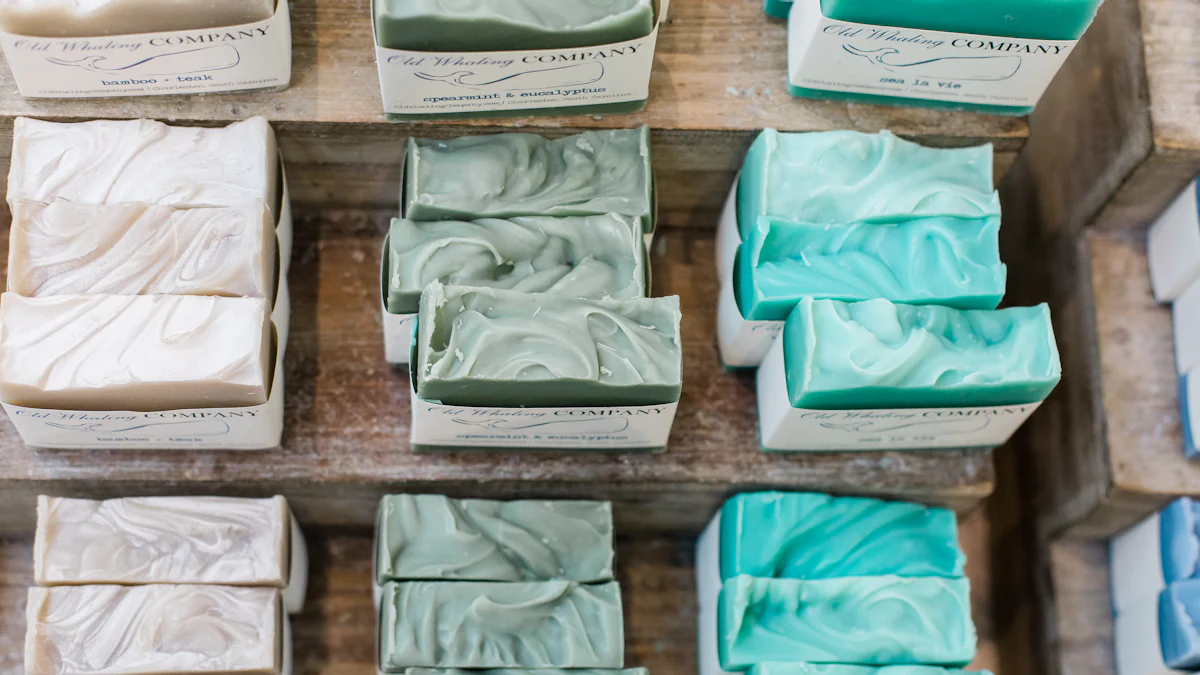
Sustainable practices in packaging have gained significant attention due to their potential to reduce environmental harm. Traditional packaging contributes heavily to waste, with over 82.2 million tons of solid waste generated annually. Eco-friendly solutions, such as biodegradable and recyclable materials, offer a path to minimize this impact. Soap packaging, when designed sustainably, plays a vital role in addressing these challenges. By adopting green alternatives, businesses can reduce waste, conserve resources, and promote a healthier planet.
Understanding Eco-Friendly Soap Packaging
What Makes Soap Packaging Eco-Friendly?
Biodegradable materials and their benefits
Biodegradable materials decompose naturally without harming the environment. Materials such as kraft paper and plant-based plastics break down into organic matter, reducing waste in landfills. The use of biodegradable packaging for soap minimizes pollution and supports sustainable practices. Many businesses adopt these materials to align with eco-conscious consumer preferences.
Recyclable and reusable options for soap packaging
Recyclable materials, including cardboard and paperboard, offer an excellent solution for sustainable soap packaging. These materials can be processed into new products, conserving resources and reducing environmental impact. Reusable alternatives, such as fabric wraps, provide additional value by extending the life cycle of packaging. Consumers often appreciate the practicality of reusable designs, which encourages repeat purchases.
Minimalist and zero-waste designs in soap packaging
Minimalist designs focus on reducing unnecessary elements in packaging. Simple structures and limited use of materials decrease production waste and energy consumption. Zero-waste solutions, such as compostable wraps or naked soap bars, eliminate disposable packaging entirely. These approaches appeal to environmentally conscious buyers and promote responsible consumption habits.
Benefits of Eco-Friendly Soap Packaging
Positive environmental impact
Eco-friendly soap packaging significantly reduces waste and pollution. The use of sustainable materials, such as recycled paper and biodegradable plastics, helps conserve natural resources. Lower carbon emissions during production contribute to a healthier ecosystem. Businesses adopting green packaging actively support global efforts to combat environmental degradation.
Enhancing brand reputation and customer loyalty
Sustainable packaging enhances a brand's image by reflecting commitment to environmental responsibility. Consumers increasingly favor companies that prioritize eco-friendly practices. Positive perceptions of a brand often lead to stronger customer loyalty and increased trust. Businesses gain a competitive edge by aligning their values with those of their target audience.
Long-term cost savings for businesses
Eco-friendly packaging offers financial advantages over time. Recyclable and reusable materials reduce dependency on single-use options, lowering production costs. Minimalist designs require fewer resources, further decreasing expenses. Sustainable practices also attract eco-conscious consumers, boosting sales and profitability.
Materials for Eco-Friendly Soap Packaging
Popular Sustainable Materials for Soap Packaging
Kraft paper and cardboard as eco-friendly options
Kraft paper offers a biodegradable and recyclable solution for soap packaging. Manufacturers produce kraft paper using wood pulp, ensuring a sustainable and environmentally friendly process. The material provides durability and flexibility, making it ideal for wrapping soap bars securely. Many businesses prefer kraft paper due to its natural appearance, which enhances the aesthetic appeal of handmade or artisanal soaps. Cardboard, another eco-friendly option, serves as a sturdy and protective material for soap boxes. Recycled cardboard reduces waste and supports resource conservation efforts.
Plant-based plastics for soap packaging
Plant-based plastics provide an innovative alternative to traditional petroleum-based plastics. These materials derive from renewable resources such as corn starch or sugarcane. Biodegradability allows plant-based plastics to decompose naturally under specific conditions, reducing environmental harm. Soap packaging made from plant-based plastics combines functionality with sustainability. Many companies use these materials to meet consumer demand for eco-conscious products while maintaining product quality.
Fabric wraps and reusable cloth alternatives
Fabric wraps offer a reusable and stylish option for soap packaging. Natural fibers such as cotton or linen create durable and biodegradable wraps. Businesses often use fabric wraps to add a unique and personalized touch to their soap products. Reusable cloth alternatives promote sustainability by extending the life cycle of packaging materials. Consumers appreciate the practicality of fabric wraps, which can serve multiple purposes after unwrapping the soap.
Designing Eco-Friendly Soap Packaging
Key Design Principles for Soap Packaging
Functionality and durability in eco-friendly designs
Eco-friendly soap packaging must balance functionality with durability. Packaging should protect the soap from damage during storage and transportation. Sustainable materials such as kraft paper and cardboard provide both strength and environmental benefits. Properly designed packaging ensures the soap remains intact while minimizing waste. Functional designs also enhance user convenience, promoting customer satisfaction.
Durable packaging reduces the need for replacements, which conserves resources. Materials like plant-based plastics and reusable fabric wraps offer long-lasting solutions. Combining durability with sustainability supports eco-conscious practices in soap packaging.
Aesthetic appeal and branding for soap packaging
Aesthetic appeal plays a crucial role in attracting customers to soap packaging. Visually appealing designs create a strong first impression and enhance the perceived value of the product. Natural textures and earthy tones often resonate with eco-conscious consumers. Materials such as recycled paperboard and biodegradable wraps contribute to an organic and authentic look.
Branding elements like logos and color schemes can be integrated into sustainable packaging. Custom designs that align with the brand's identity strengthen recognition in the market. Aesthetic appeal combined with sustainability fosters a positive connection between the brand and its audience.
Minimalism and resource efficiency in packaging
Minimalist designs focus on reducing unnecessary components in soap packaging. Eliminating excessive materials lowers production costs and decreases environmental impact. Simple structures and compact designs reduce waste while maintaining functionality. Minimalism ensures efficient use of resources without compromising the quality of packaging.
Resource-efficient packaging supports sustainability by conserving raw materials. Lightweight designs also reduce fuel consumption during transportation. Minimalist approaches highlight the soap itself, allowing the product to stand out naturally. This strategy aligns with consumer expectations for eco-friendly and visually appealing packaging.
Customization and Branding
Incorporating brand identity into soap packaging
Soap packaging serves as a platform for showcasing brand identity. Custom designs reflect the values and mission of the business. Elements such as unique patterns, fonts, and colors distinguish the brand from competitors. Sustainable materials enhance the authenticity of the brand's commitment to environmental responsibility.
Incorporating brand identity into packaging builds trust and loyalty among consumers. Consistent branding across all packaging reinforces recognition and strengthens the connection with the target audience. Customization allows businesses to communicate their message effectively through eco-friendly soap packaging.
Eco-friendly printing techniques for soap packaging
Eco-friendly printing techniques minimize the environmental impact of soap packaging. Water-based inks and vegetable-based dyes provide sustainable alternatives to traditional printing methods. These options reduce harmful emissions and support biodegradability. Printing directly onto recyclable or compostable materials enhances the eco-friendliness of the packaging.
Techniques such as digital printing optimize material usage and reduce waste. High-quality prints ensure clarity and vibrancy, enhancing the overall presentation of the packaging. Businesses adopting eco-friendly printing methods demonstrate a commitment to sustainability while maintaining visual appeal.
Creative and innovative packaging ideas for soaps
Creative packaging ideas elevate the uniqueness of soap products. Innovative approaches include using dissolvable wraps or seed-infused paper that can be planted after use. Reusable cloth pouches and origami-inspired designs add a touch of creativity to the packaging. Such ideas enhance the unboxing experience and leave a lasting impression on customers.
Innovative designs also incorporate multifunctional elements, such as packaging that doubles as a soap dish. These concepts combine practicality with sustainability, offering added value to consumers. Creative soap packaging solutions align with modern trends and cater to eco-conscious preferences.
Challenges and Solutions in Eco-Friendly Soap Packaging
Common Challenges in Soap Packaging
High costs and limited availability of materials
Eco-friendly materials often involve higher production costs compared to conventional options. Limited access to sustainable resources further complicates the adoption of green packaging solutions. Many businesses face challenges in sourcing biodegradable or recyclable materials at competitive prices. The scarcity of suppliers specializing in eco-friendly packaging adds additional hurdles for small-scale producers.
Balancing durability with sustainability in soap packaging
Durability remains a critical factor in packaging design. Many eco-friendly materials lack the strength required to protect products during transportation and storage. Fragile packaging can lead to product damage, resulting in financial losses and waste. Achieving a balance between durability and environmental sustainability requires careful material selection and innovative design strategies.
Educating consumers about eco-friendly soap packaging
Many consumers struggle to identify sustainable packaging options. Misconceptions about materials, such as believing single-use glass has a lower carbon footprint than plastic, create confusion. A lack of awareness about the benefits of eco-friendly packaging hinders consumer adoption. Businesses must address this knowledge gap to encourage informed purchasing decisions.
Practical Solutions
Partnering with sustainable suppliers for soap packaging
Collaboration with suppliers specializing in eco-friendly materials offers a reliable solution. Sustainable suppliers provide access to biodegradable, recyclable, and compostable packaging options. Partnerships with ethical suppliers ensure consistent quality and availability of materials. Businesses can negotiate bulk orders to reduce costs and streamline production processes.
Investing in research and innovation for better materials
Research and development play a vital role in advancing sustainable packaging solutions. Investment in innovative materials, such as mushroom-based or seaweed-based options, drives progress in the industry. Businesses can explore emerging technologies to enhance the functionality and durability of eco-friendly packaging. Continuous innovation ensures alignment with environmental goals and market demands.
Using consumer feedback to improve packaging solutions
Consumer feedback serves as a valuable resource for refining packaging strategies. Surveys reveal that 82% of consumers are willing to pay more for sustainable packaging. Insights from customer preferences guide businesses in designing packaging that meets both functional and aesthetic expectations. Engaging with consumers fosters trust and loyalty while promoting eco-conscious practices.
Case Studies: Successful Eco-Friendly Soap Packaging
Examples from Leading Brands
Brand A: Transitioning to biodegradable soap packaging
Brand A adopted biodegradable materials for soap packaging to reduce environmental impact. The company replaced traditional plastic wraps with kraft paper and compostable bioplastics. This transition minimized waste and supported sustainable practices. The initiative aligned with consumer demand for eco-conscious products. Brand A reported increased customer satisfaction and loyalty after implementing biodegradable solutions.
Brand B: Innovative use of plant-based materials for soap
Brand B introduced plant-based plastics as a sustainable alternative for soap packaging. The materials derived from renewable resources, such as corn starch and sugarcane. The company ensured the packaging maintained durability while being environmentally friendly. The innovation attracted eco-conscious consumers and enhanced the brand's reputation. Brand B demonstrated how creative use of materials could meet both functional and ethical standards.
Brand C: Zero-waste soap packaging initiative
Brand C launched a zero-waste initiative by eliminating disposable soap packaging. The company offered naked soap bars and reusable fabric wraps made from organic cotton. The approach reduced production waste and encouraged responsible consumption. Customers appreciated the practicality and sustainability of the packaging. Brand C gained recognition as a pioneer in zero-waste practices within the industry.
Lessons Learned
Strategies for implementing eco-friendly soap packaging
Businesses can adopt strategies to integrate eco-friendly soap packaging effectively. Partnering with suppliers specializing in sustainable materials ensures access to high-quality options. Investing in research helps identify innovative solutions, such as mushroom-based or algae-derived materials. Engaging with consumers through surveys provides insights into preferences for sustainable designs. These strategies create a foundation for successful implementation.
Overcoming challenges in the initial stages
Initial challenges in adopting eco-friendly soap packaging often involve higher costs and limited material availability. Companies can address these issues by negotiating bulk orders with suppliers to reduce expenses. Exploring local sources for materials minimizes transportation costs and environmental impact. Collaboration with industry experts fosters innovative approaches to overcome early obstacles.
Long-term benefits for brands and the environment
Eco-friendly soap packaging offers significant long-term advantages. Businesses experience enhanced brand reputation and attract eco-conscious consumers. Sustainable practices contribute to a healthier planet by reducing waste and conserving resources. Cost savings emerge over time through the use of recyclable and reusable materials. Companies embracing green initiatives achieve a balance between profitability and environmental responsibility.
Eco-friendly soap packaging holds immense significance in reducing environmental harm and promoting sustainability. Businesses adopting sustainable practices in soap packaging contribute to waste reduction and resource conservation. The use of biodegradable and recyclable materials reflects a commitment to environmental responsibility. Sustainable soap packaging enhances brand reputation and attracts eco-conscious consumers. Companies must prioritize innovative solutions to align with consumer values. Exploring eco-friendly soap packaging options can lead to long-term benefits for businesses and the planet. Begin the journey toward sustainability by implementing green soap packaging strategies today.
See Also
Choosing The Right Eco-Friendly Packaging For Your Business
Finding The Perfect Custom Soap Boxes For Your Brand
A Comprehensive Guide To Effective Product Packaging
The Significance Of Recycled Paper Boxes For Eco-Friendliness