Eco-Friendly Paper Card Box Options for Your Business


Sustainability has become a crucial factor in modern business practices. Companies recognize the importance of aligning with eco-conscious values. Packaging plays a significant role in environmental impact. Traditional materials contribute to pollution and resource depletion. Businesses now seek alternatives that reduce harm to the planet. Eco-friendly paper card box packaging offers a sustainable solution. These boxes provide an environmentally responsible choice. Consumers increasingly demand recyclable and biodegradable options. This shift enhances brand reputation and attracts eco-conscious customers. Companies adopting sustainable packaging can differentiate themselves in the competitive market.
Understanding the Environmental Impact of Traditional Packaging
Problems with Conventional Packaging
Resource Depletion
Traditional packaging materials rely heavily on non-renewable resources. The production of plastic and other conventional materials consumes significant amounts of fossil fuels. This process leads to the depletion of natural resources. Manufacturing these materials requires energy-intensive processes, contributing to environmental degradation.
Pollution and Waste
Conventional packaging contributes to pollution and waste. Non-biodegradable materials persist in the environment for centuries. Landfills become overcrowded with packaging waste. Harmful chemicals and microplastics leach into soil and waterways. This pollution poses risks to ecosystems and human health.
The Need for Sustainable Alternatives
Consumer Demand
Consumers increasingly demand sustainable packaging solutions. Eco-conscious buyers seek products with minimal environmental impact. Businesses must adapt to meet these expectations. Offering eco-friendly options can attract a growing market segment. This shift aligns with global trends toward sustainability.
Regulatory Pressures
Governments implement regulations to reduce packaging waste. Policies encourage businesses to adopt sustainable practices. Compliance with these regulations becomes essential for companies. Failing to adapt may result in penalties or loss of market access. Sustainable packaging helps businesses stay ahead of regulatory changes.
Benefits of Eco-Friendly Paper Card Boxes
Environmental Advantages
Biodegradability
Eco-friendly paper card box packaging offers significant environmental benefits. The materials used in these boxes break down naturally. This biodegradability reduces landfill waste. Traditional packaging often relies on plastics. These materials persist in the environment for centuries. Paper card box packaging decomposes much faster. This quality minimizes long-term environmental impact.
Recyclability
Recyclability is another key advantage of paper card box packaging. Businesses can easily recycle these materials. Recycling reduces the need for new raw materials. This process conserves natural resources. Traditional packaging often faces recycling challenges. Many plastics and non-biodegradable materials cannot be easily recycled. Paper card box packaging supports a circular economy. This approach promotes sustainability and resource conservation.
Business Benefits
Cost-Effectiveness
Businesses find eco-friendly paper card box packaging cost-effective. Initial costs may seem higher. However, long-term savings become evident. Sustainable packaging reduces waste disposal costs. Companies also save by using recycled materials. Traditional packaging often incurs higher waste management expenses. Eco-friendly options offer financial advantages over time.
Brand Image Enhancement
Adopting eco-friendly paper card box packaging enhances brand image. Consumers increasingly value sustainability. Businesses that prioritize eco-friendly practices attract eco-conscious customers. This shift boosts brand reputation. Companies differentiate themselves in a competitive market. Traditional packaging may harm brand perception. Eco-friendly packaging aligns with consumer values and expectations.
Exploring Eco-Friendly Paper Card Box Options
Types of Sustainable Materials
Recycled Paper
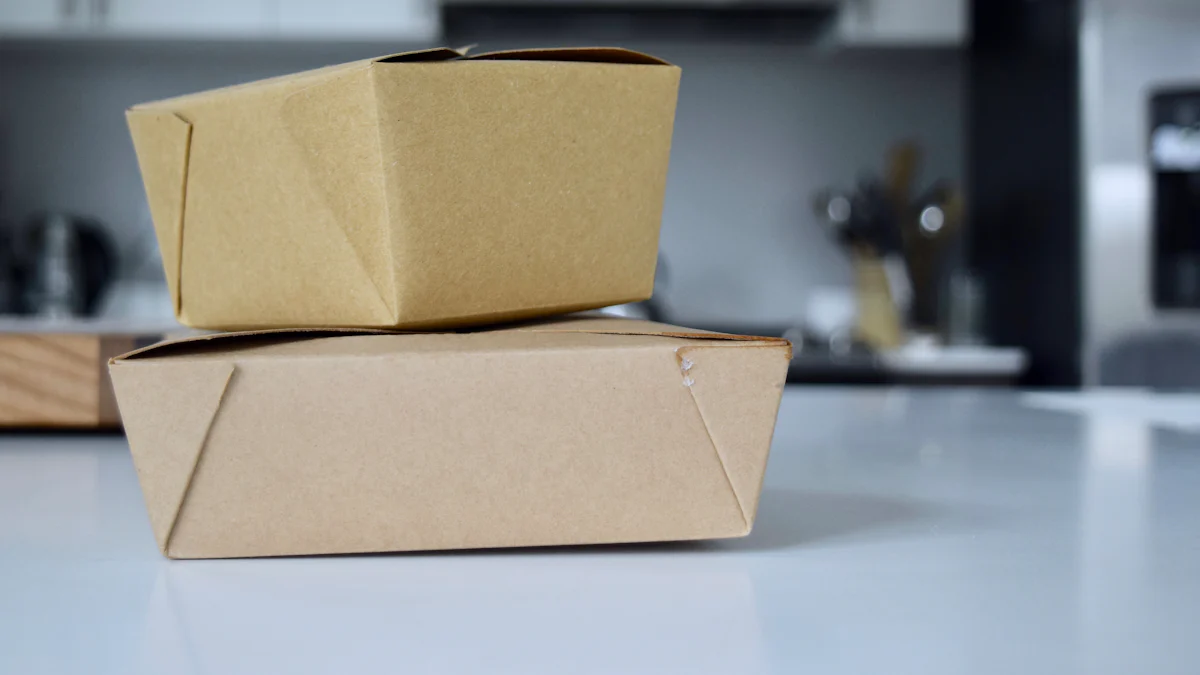
Recycled paper serves as a sustainable material for packaging. This material originates from post-consumer and pre-consumer waste. The recycling process conserves natural resources. Energy consumption decreases during production. Businesses find recycled paper cost-effective. The material supports eco-friendly practices.
FSC Certified Paper
FSC certified paper ensures responsible sourcing. The Forest Stewardship Council certifies this paper. The certification guarantees sustainable forest management. FSC certified paper reduces environmental impact. Businesses gain consumer trust through certification. The use of this paper enhances brand reputation.
Innovative Designs and Features
Customizable Options
Customizable options offer flexibility in packaging. Businesses can tailor designs to specific needs. Customization includes size, shape, and color. Unique branding becomes possible with custom designs. Customizable packaging attracts consumer attention. Businesses stand out in competitive markets.
Minimalist Designs
Minimalist designs focus on simplicity and efficiency. These designs reduce material usage. Waste generation decreases with minimalist packaging. Businesses save costs through efficient design. Minimalist packaging aligns with modern aesthetics. Consumers appreciate the clean and simple look.
Implementing Eco-Friendly Packaging in Your Business
Steps to Transition
Assess Current Packaging
Businesses should start by evaluating their existing packaging practices. This assessment identifies areas where improvements can be made. Companies should examine the materials used and their environmental impact. Understanding the current packaging's lifecycle helps in making informed decisions. Businesses can then set clear sustainability goals for their packaging.
Partner with Sustainable Suppliers
Finding reliable suppliers is crucial for a successful transition. Businesses should seek suppliers who prioritize eco-friendly materials. Sustainable suppliers offer a range of environmentally responsible options. Companies should verify the certifications of these suppliers. Partnerships with credible suppliers enhance trust and ensure quality. Collaboration with these suppliers supports long-term sustainability goals.
Overcoming Challenges
Cost Considerations
Initial costs may seem higher when switching to eco-friendly packaging. Businesses should consider the long-term savings and benefits. Sustainable packaging often reduces waste disposal expenses. Companies can also benefit from bulk purchasing of recycled materials. Cost analysis helps in understanding the financial advantages over time. Investing in sustainability can lead to increased customer loyalty.
Supply Chain Adjustments
Adapting the supply chain is essential for implementing eco-friendly packaging. Businesses should evaluate the logistics involved in sourcing sustainable materials. Efficient supply chain management ensures timely delivery and reduces costs. Companies may need to train staff on new packaging processes. Adjustments in the supply chain support seamless integration of eco-friendly solutions. A well-managed supply chain enhances overall business efficiency.
Case Studies:
Brand A successfully transitioned to eco-friendly packaging by partnering with local suppliers. The company saw a significant reduction in carbon footprint and waste.
Brand B focused on minimalist designs, which led to a 20% decrease in material usage. The brand gained recognition for its innovative approach to sustainability.
The rise of eco-friendly packaging solutions highlights the importance of sustainability in the industry. Businesses adopting these practices gain a competitive advantage and positively impact the planet.
Comparative Analysis: Eco-Friendly vs. Traditional Packaging
Cost Comparison
Short-term vs. Long-term Costs
Eco-friendly packaging often involves higher initial costs. Businesses may face increased expenses when adopting sustainable materials. However, long-term savings can outweigh these initial investments. Sustainable packaging reduces waste disposal fees. Companies benefit from potential government incentives for eco-friendly practices. Improved brand perception also leads to increased customer loyalty. Traditional packaging might seem cheaper initially but incurs higher environmental impact fees over time.
Environmental Impact
Carbon Footprint
Eco-friendly packaging significantly reduces carbon emissions. Materials used in sustainable packaging come from renewable resources. These materials require less energy during production. Traditional packaging relies on plastics and non-renewable resources. This reliance results in higher carbon emissions. Businesses choosing eco-friendly options contribute to a lower carbon footprint. This choice supports global efforts to combat climate change.
Waste Reduction
Eco-friendly packaging promotes waste reduction. Biodegradable and recyclable materials minimize landfill contributions. Traditional packaging often consists of non-biodegradable plastics. These materials persist in the environment for centuries. Sustainable packaging supports a circular economy. Recycling and reusing materials conserve natural resources. Businesses adopting eco-friendly solutions help reduce overall waste. This approach aligns with consumer demand for sustainable practices.
Eco-friendly paper card boxes offer numerous benefits. Businesses can reduce environmental impact and improve brand reputation. Sustainable packaging attracts eco-conscious consumers. Companies should take actionable steps towards sustainability. Assessing current packaging practices is essential. Partnering with sustainable suppliers ensures quality materials. Adopting eco-friendly solutions enhances competitive advantage. Pouch.eco provides specialized green packaging options. Their compostable food packaging supports sustainability. Businesses gain long-term savings and customer loyalty. Transitioning to eco-friendly packaging reflects commitment to the planet. Sustainable practices contribute positively to the environment.
See Also
Choosing the Optimal Sustainable Packaging Solution
Recognizing the Significance of Eco-Friendly Packaging Materials
Picking the Ideal Paper Box Packaging for Cosmetics