How to Determine the Best Packaging Box for Your Products

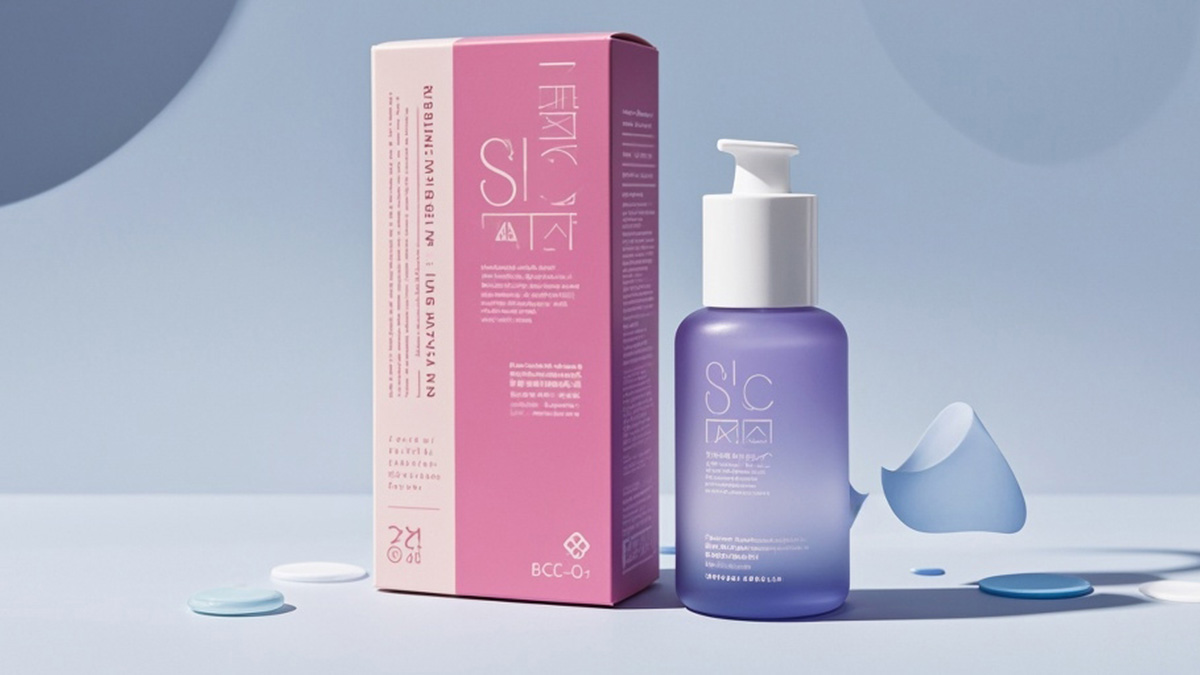
Choosing the right packaging box holds immense importance for businesses. The product packaging box serves as a protective shield and a marketing tool. Several factors influence packaging decisions, including product size, weight, and material. Businesses must consider these aspects to ensure optimal protection and presentation. The blog aims to guide readers in making informed packaging choices that align with business goals and customer expectations.
Key Factors to Consider for Product Packaging Box
Understanding Product Characteristics
Size and Shape
The size and shape of a product packaging box play a crucial role in ensuring product safety. A snug fit prevents unnecessary movement during transit. An oversized box may lead to increased shipping costs. A well-sized box enhances the overall presentation of the product.
Weight and Fragility
The weight of a product influences the choice of packaging materials. Heavy items require sturdy materials to prevent damage. Fragile products need additional cushioning to avoid breakage. Selecting the right packaging ensures the product reaches customers in perfect condition.
Sensitivity to Environmental Conditions
Some products have specific environmental sensitivities. Temperature fluctuations can affect certain goods. Moisture can damage others. Understanding these sensitivities helps in choosing appropriate packaging solutions. Proper packaging maintains product integrity throughout the supply chain.
Budget Considerations
Cost of Materials
Material costs significantly impact the overall budget for packaging. Cardboard offers a cost-effective solution for many products. Premium materials may suit luxury items. Balancing material quality with cost ensures financial efficiency without compromising product safety.
Economies of Scale
Bulk purchasing of packaging materials often results in cost savings. Larger orders reduce the price per unit. Businesses should evaluate their needs against potential savings. Strategic planning in procurement maximizes budget efficiency.
Balancing Quality and Cost
Quality should never be sacrificed for cost savings. Inferior packaging can lead to product damage and customer dissatisfaction. Investing in quality materials enhances brand reputation. A balance between quality and cost ensures long-term business success.
Transportation and Logistics
Shipping Methods
Different shipping methods require different packaging considerations. Air freight demands lightweight packaging. Sea freight may require moisture-resistant materials. Understanding shipping methods helps in selecting suitable packaging solutions.
Storage Requirements
Storage conditions influence packaging choices. Warehouses may have specific requirements for stacking or temperature control. Proper packaging ensures products remain undamaged during storage. Efficient storage solutions contribute to overall operational efficiency.
Regulatory Compliance
Compliance with regulations is essential in packaging. Certain industries have specific packaging standards. Non-compliance can lead to fines or product recalls. Adhering to regulations ensures smooth operations and protects brand integrity.
Exploring Packaging Materials and Styles

Types of Product Packaging Box Materials
Cardboard and Corrugated Boxes
Cardboard boxes offer a versatile option for many products. Businesses often choose cardboard due to its lightweight nature. Corrugated boxes provide additional strength. The structure of corrugated boxes includes multiple layers. This design enhances durability. Many industries rely on these boxes for shipping fragile items. The cost-effectiveness of cardboard and corrugated boxes makes them popular choices.
Plastic and Foam Options
Plastic packaging provides a durable solution for various products. Many companies use plastic for its water-resistant properties. Foam options offer cushioning for delicate items. Foam packaging absorbs shocks during transit. The flexibility of plastic and foam materials allows for custom shapes. Many businesses prefer these options for electronics and other sensitive goods.
Eco-friendly Alternatives
Eco-friendly packaging materials gain popularity in today's market. Many companies seek sustainable options for product packaging boxes. Recyclable materials reduce environmental impact. Biodegradable options break down naturally over time. Many consumers appreciate brands that prioritize sustainability. Eco-friendly packaging aligns with modern environmental values.
Packaging Styles and Designs
Customizable Features
Customization plays a crucial role in packaging design. Many businesses opt for unique shapes and sizes. Custom printing enhances brand recognition. Companies often include logos and brand colors on packaging. Customizable features allow businesses to stand out. Many consumers remember brands with distinctive packaging.
Protective Features
Protection remains a top priority in packaging design. Many products require specific protective features. Shock-absorbing materials prevent damage during shipping. Moisture-resistant coatings protect against environmental factors. Many companies invest in protective packaging to ensure product safety. Proper protection enhances customer satisfaction.
Aesthetic Appeal
Aesthetic appeal influences consumer purchasing decisions. Many brands focus on visually appealing packaging designs. Vibrant colors and sleek finishes attract attention. Minimalistic designs convey elegance and sophistication. Many consumers associate attractive packaging with high-quality products. Aesthetic appeal plays a significant role in brand perception.
Practical Advice on Customization and Branding
Customization Techniques
Printing and Labeling
Printing and labeling enhance the visual appeal of a product packaging box. Companies use high-quality printing techniques to display logos and brand colors. Labels provide essential information about the product. Clear and attractive labels improve customer understanding. A well-designed label can increase brand recognition.
Unique Shapes and Sizes
Unique shapes and sizes create a distinctive product packaging box. Businesses design boxes that fit their specific products. Custom shapes make the product stand out on shelves. Unusual sizes capture consumer attention. A unique product packaging box enhances the overall brand image.
Interactive Packaging
Interactive packaging engages customers in a memorable way. Companies incorporate elements like QR codes or augmented reality. These features provide additional product information or promotional content. Interactive designs encourage customer interaction with the product packaging box. Engaging packaging creates a lasting impression on consumers.
Branding Opportunities
Enhancing Brand Recognition
Brand recognition increases through strategic packaging design. Consistent use of brand colors and logos strengthens identity. A recognizable product packaging box helps customers remember the brand. Strong brand recognition leads to increased customer loyalty. Effective packaging design plays a crucial role in brand success.
Creating a Memorable Unboxing Experience
A memorable unboxing experience delights customers. Businesses focus on the presentation of the product packaging box. Attractive packaging and thoughtful details enhance the unboxing process. Customers appreciate the effort put into creating an enjoyable experience. A positive unboxing experience boosts customer satisfaction and brand loyalty.
Aligning Packaging with Brand Values
Packaging alignment with brand values reinforces brand identity. Companies choose materials and designs that reflect their principles. Eco-friendly materials demonstrate a commitment to sustainability. Luxury brands may opt for premium materials to convey exclusivity. A product packaging box that aligns with brand values strengthens customer trust.
Sustainability Considerations
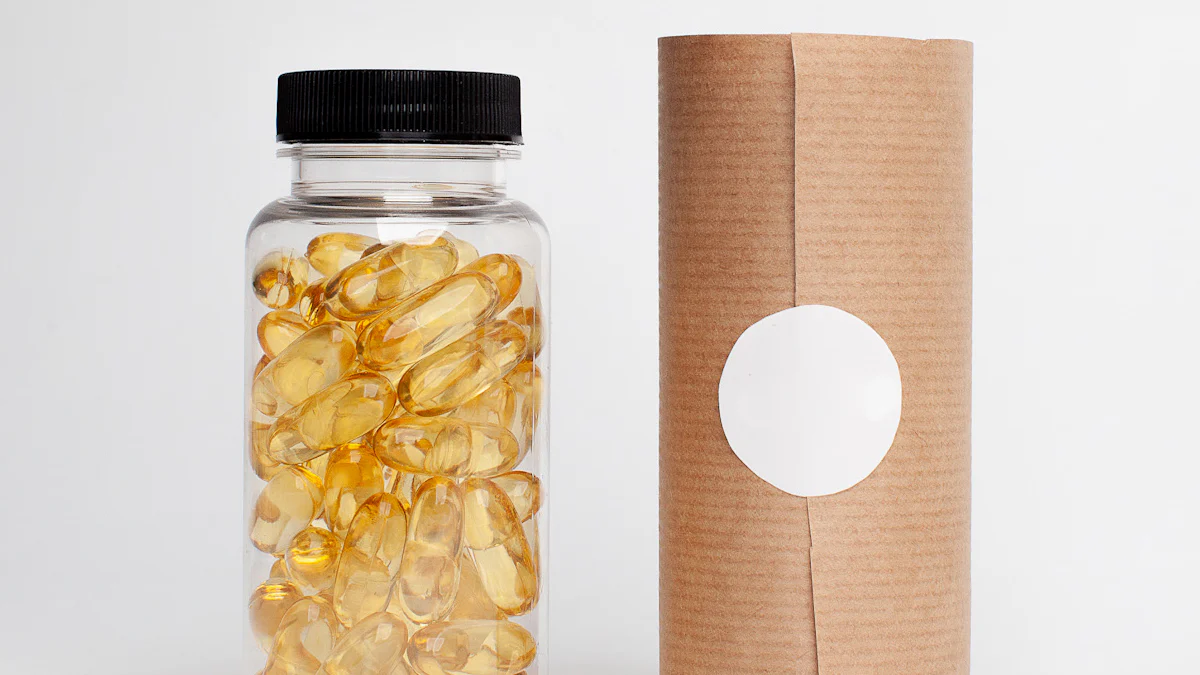
Sustainability in packaging has become a priority for many businesses. A focus on eco-friendly solutions can enhance brand reputation and meet consumer demand for responsible practices. Companies must consider various aspects of sustainability when choosing a product packaging box.
Eco-friendly Packaging Solutions
Recyclable Materials
Recyclable materials offer an effective way to reduce environmental impact. Cardboard and corrugated boxes often serve as recyclable options. These materials can be processed and reused, minimizing waste. Businesses should prioritize recyclable materials for their product packaging box to support sustainability goals.
Biodegradable Options
Biodegradable packaging materials break down naturally over time. These materials include plant-based plastics and certain types of paper. Using biodegradable options for a product packaging box helps reduce long-term waste. Companies that choose biodegradable materials demonstrate a commitment to environmental responsibility.
Reducing Packaging Waste
Reducing packaging waste involves optimizing the design and material usage of a product packaging box. Lightweight materials and efficient designs can decrease waste. Businesses should assess their packaging processes to identify areas for improvement. Reducing waste not only benefits the environment but also lowers costs.
Implementing Sustainable Practices
Sourcing Sustainable Materials
Sourcing sustainable materials requires careful selection of suppliers. Companies should seek partners that provide eco-friendly options for product packaging boxes. Sustainable sourcing ensures that the materials used align with environmental values. This practice supports a company's overall sustainability strategy.
Educating Consumers
Educating consumers about sustainable packaging enhances brand loyalty. Clear labeling on a product packaging box can inform customers about the materials used. Providing information on recycling or disposal options encourages responsible behavior. Consumer education fosters a positive relationship between the brand and its audience.
Measuring Environmental Impact
Measuring the environmental impact of packaging involves assessing the entire lifecycle of a product packaging box. Companies should evaluate factors such as carbon footprint and resource consumption. Tools and metrics can help track progress toward sustainability goals. Regular assessment ensures continuous improvement in sustainable practices.
Selecting the right product packaging box holds immense importance for businesses. The product packaging box serves as a protective shield and a marketing tool. Businesses must consider factors like product size, weight, and material to ensure optimal protection and presentation. A well-chosen product packaging box enhances brand recognition and customer satisfaction. Businesses should explore all options discussed to make informed decisions. The impact of a thoughtfully selected product packaging box on brand success cannot be overstated. A strategic approach to choosing a product packaging box will contribute significantly to long-term business growth.

See Also
Tips for Choosing Ideal Cosmetic Paper Box Packaging
Finding the Perfect Eco-Friendly Packaging Solutions
Guide to Choosing Custom Soap Boxes for Branding